
C-Section Recovery: A Realistic Month-by-Month Guide
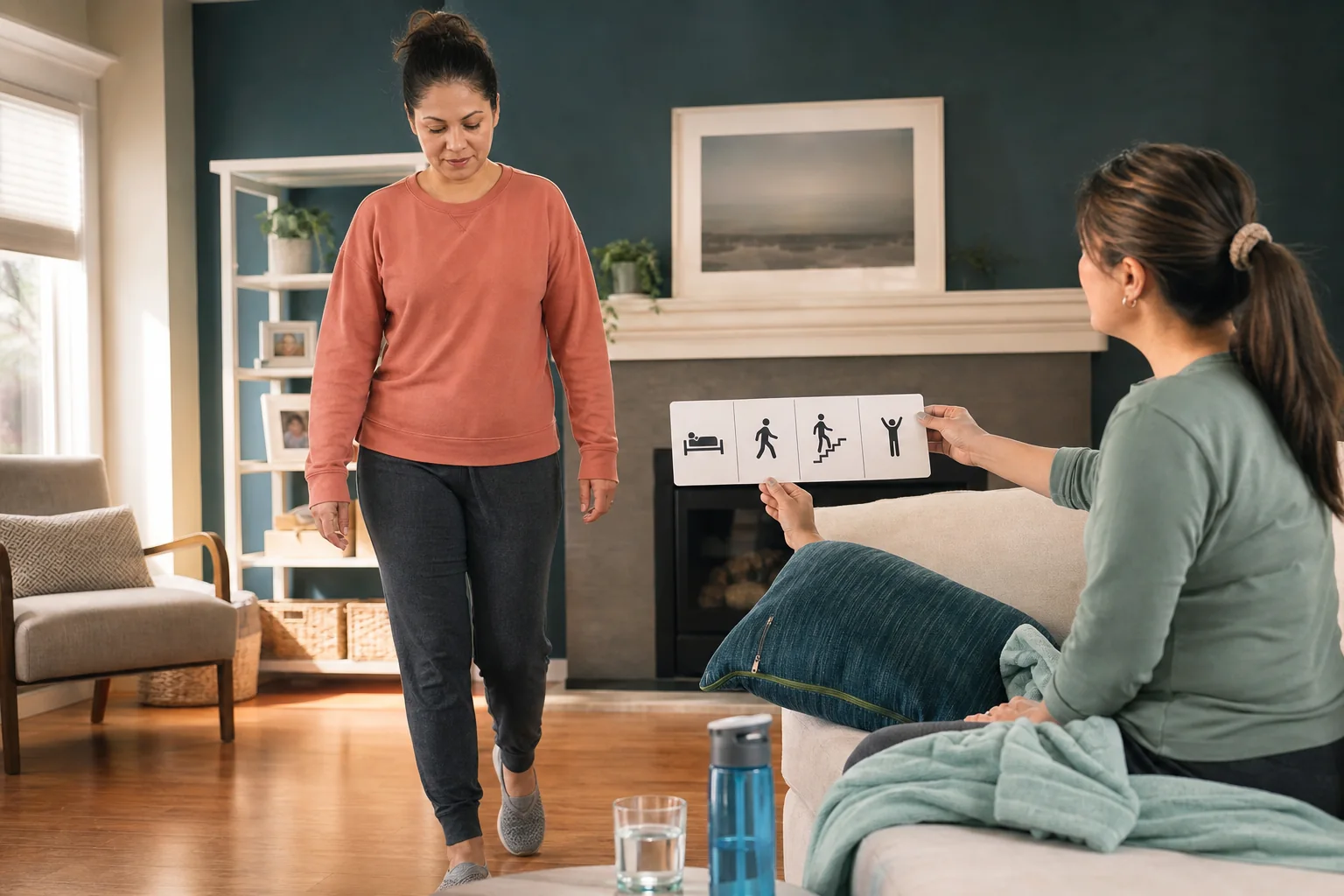
Key Takeaway
C-section recovery is a major abdominal surgery recovery layered on top of the demands of caring for a newborn. Most women feel functionally better by 6–8 weeks, but full healing takes months. A realistic timeline, proper incision care, and knowing what’s normal versus what needs medical attention are the three things that make the biggest difference.
Key Facts
- Hospital stay: Typically 2–4 days after an uncomplicated cesarean
- Driving: Usually cleared at ~2 weeks (off opioid medication)
- Lifting restrictions: Nothing heavier than your baby for 4–6 weeks
- Provider clearance for normal activity: 6–8 weeks
- Full internal healing: 3–6 months
- Scar maturation: 12–18 months
The First Two Weeks
The first two weeks after a cesarean cover the most physically intense stretch of recovery: hospital observation, the transition home, peak incision discomfort, and the earliest signs of steady improvement. Every step here is guided by your own provider's discharge instructions — the ranges below are general context, not medical advice.
The First 24 Hours
Immediately after a cesarean delivery, you will be monitored in a recovery area where staff check your vital signs, uterine firmness, bleeding, and sensation return (if you had spinal or epidural anesthesia). A urinary catheter placed during surgery is typically removed within 12–24 hours.
Pain management in the hospital usually involves a combination of approaches: the fading effects of regional anesthesia, scheduled oral pain medication (typically ibuprofen and acetaminophen alternated), and sometimes opioid medication for breakthrough pain.1
You will be encouraged to get up and walk within 12–24 hours after surgery. This is one of the most important things you can do — early ambulation reduces the risk of blood clots, helps with gas pain, and actually speeds overall recovery. It will be uncomfortable. That is expected.
Breastfeeding can begin as soon as you feel ready, even in the recovery room. Finding comfortable positions (side-lying or football hold) that keep the baby’s weight off the incision is key.
Week 1: Hospital to Home
Most women go home 2–4 days after an uncomplicated cesarean. The first week at home is typically the hardest physically. Pain from the incision, gas and bloating, fatigue, and the demands of a newborn converge simultaneously.
Physical restrictions during week 1:
- Do not lift anything heavier than your baby
- Avoid stairs as much as practically possible (once up, stay up; once down, stay down)
- Walk regularly but do not push distance or speed
- No driving
- Use a pillow to support the incision when coughing, sneezing, or laughing
Gas pain is surprisingly common and can be more uncomfortable than the incision itself. Walking helps move gas through the intestines. Gentle rocking and side-to-side movements can also provide relief. Avoid carbonated drinks and use of straws, which introduce extra air.
Week 2: Gradual Improvement
By the second week, most women notice a meaningful decrease in incision pain. You may begin transitioning from prescription pain medication to over-the-counter options (ibuprofen and acetaminophen). Many providers clear driving at this point, provided you are off opioid medication and can perform an emergency stop comfortably.
Steri-strips or surgical glue begin to peel or dissolve. Let them come off naturally — do not peel them. Once they are off, the incision is still healing and should be kept clean and dry.
You may notice increased lochia (postpartum vaginal bleeding and discharge) if you are more active. This is normal and does not mean you are hurting yourself, but it is a signal from your body to moderate your activity level.
Weeks 3–6
Between weeks three and six, c section recovery typically shifts from “actively hurting” to “steadily rebuilding.” Most women feel significantly more functional during this stretch. Pain is usually mild and intermittent rather than constant, and daily tasks (short walks, light meal prep, one flight of stairs) become easier.
The incision surface should be fully closed by now. Itching becomes common as collagen remodels and nerve endings regenerate. (For a deeper look at what your scar is doing, see our c-section scar healing timeline.)
Lifting restrictions still apply through week six — nothing heavier than your baby, no strenuous housework, no core exercises. Walking distance can gradually increase, but abdominal exercises, running, and heavy lifting stay off the list until you have provider clearance. Energy begins to return, though sleep deprivation from newborn care remains a major factor.
The 6-Week Check and What It Does (and Doesn't) Clear
Most providers schedule a postpartum visit around six weeks after birth. This appointment matters, but it is often misunderstood. The 6-week check is a general clearance point — not a finish line.
What the 6-week check typically clears: examination of the incision and uterus, screening for postpartum depression and anxiety, contraception planning, clearance for driving, intercourse, and a gradual return to exercise. Your provider may also check for diastasis recti (abdominal separation) and refer you to a pelvic floor physical therapist if indicated.3
What the 6-week check does not clear: a return to pre-pregnancy exercise intensity, heavy lifting beyond what your body tolerates, or full internal healing. The uterine incision and deep tissue layers continue to remodel for three to six more months. Scar maturation continues for a year or longer. Clearance means you can begin resuming activities — it does not mean everything is fully healed. If pelvic floor symptoms, ongoing incision pain, or emotional concerns come up at this visit, ask for a referral rather than accepting a blanket “you’re fine.”
Months 2–6: Deeper Healing
After the 6-week clearance, you can gradually return to exercise and normal activities. “Gradually” is the operative word. Your abdominal muscles have been stretched by pregnancy and cut during surgery — they need progressive loading, not an immediate return to pre-pregnancy intensity.
During months 2–6, the uterine incision continues to heal internally. The scar on your skin is actively remodeling, and this is the window where scar massage and silicone therapy can make the most difference.
Many women notice that their abdomen still looks and feels different from before pregnancy during this period. This is not a failure of recovery — it is the normal timeline. Abdominal tone, skin elasticity, and overall body composition take months to stabilize, and for many women, do not return to exactly pre-pregnancy baselines.
Incision Care
Proper incision care reduces the risk of infection and supports optimal scar healing:
- Weeks 1–2: Keep the incision clean with gentle soap and water during showers. Pat dry. No submerging in baths. Let Steri-strips fall off naturally.
- Weeks 3–6: Continue gentle cleaning. Wear soft, loose clothing that does not rub the incision. High-waisted underwear that sits above the scar line is often more comfortable than low-rise styles.
- After 6 weeks: Begin scar massage with provider clearance. Consider silicone scar sheets, which have the best evidence for improving scar appearance. Protect the scar from direct sunlight with SPF 30+ for the first 12–18 months.
Emotional Recovery
The emotional dimension of c-section recovery is just as real as the physical one, and it does not get enough attention.
“Baby blues” — mood swings, tearfulness, irritability, and anxiety — affect up to 80% of new mothers and typically resolve within 2 weeks of delivery. They are driven by the dramatic hormonal shift after birth and compounded by sleep deprivation.2
Postpartum depression (PPD) and postpartum anxiety are different. They persist beyond 2 weeks, may worsen over time, and can significantly interfere with daily functioning and bonding. Risk factors include prior history of depression, birth complications, lack of social support, and sleep deprivation. If you experience persistent sadness, hopelessness, excessive worry, difficulty bonding with your baby, or thoughts of harming yourself or your baby, contact your provider immediately.2
Some women also process feelings of disappointment, grief, or trauma related to the cesarean itself — particularly if it was unplanned or emergent. These feelings are valid and common. Speaking with a therapist who specializes in perinatal mental health can be helpful.
Returning to Exercise
Returning to exercise after a c-section should be gradual and guided by how your body responds, not by social media timelines or pressure to “bounce back.”
General timeline:
- Day 1: Walking in the hospital
- Weeks 1–4: Gentle walking, gradually increasing distance
- Weeks 4–6: Continue walking; gentle pelvic floor activation if cleared
- 6–8 weeks (with clearance): Begin core rehabilitation, pelvic floor work with a PT; light resistance training
- 8–12 weeks: Gradual return to moderate exercise; low-impact cardio
- 12+ weeks: Progress to higher-impact activities based on individual recovery
Before resuming exercise, consider a diastasis recti assessment — separation of the abdominal muscles is common after pregnancy and affects which exercises are appropriate. A women’s health physical therapist can screen for this and design an appropriate progression. For more detail, see our guide to exercise after c-section.
When to Call Your Doctor
During c-section recovery, contact your healthcare provider if you experience any of the following:
- Fever above 100.4°F (38°C)
- Heavy vaginal bleeding (soaking a pad in one hour)
- Foul-smelling vaginal discharge
- Spreading redness, warmth, or swelling at the incision
- Discharge from the incision (especially if colored or foul-smelling)
- Incision edges separating
- Calf pain, leg swelling, or warmth in one leg (possible blood clot)
- Difficulty breathing or chest pain
- Painful, frequent, or burning urination
- Thoughts of harming yourself or your baby
Most of these complications, if they occur, appear within the first 2–4 weeks. But some (particularly blood clots and postpartum depression) can develop later. Trust your instincts — if something does not feel right, it is always appropriate to call.
Frequently Asked Questions
How long does c-section recovery take?
Most women feel significantly better by 6–8 weeks postpartum, which is when providers typically clear patients for normal activities. However, full internal healing — including the uterine incision and deep tissue layers — takes 3–6 months. Scar maturation continues for 12–18 months.
When can I drive after a c-section?
Most providers clear driving at around 2 weeks postpartum, provided you are no longer taking opioid pain medication and can perform an emergency stop without pain. Check with your provider and your insurance company, as policies vary.
When can I lift my toddler after a c-section?
The standard recommendation is to avoid lifting anything heavier than your baby (approximately 7–10 pounds) for the first 4–6 weeks. After 6 weeks with provider clearance, you can gradually return to lifting heavier weights. Listen to your body — if lifting causes pain or pulling at the incision, you are doing too much.
Is it normal to feel emotional after a c-section?
Yes. Hormonal shifts, sleep deprivation, physical recovery, and the transition to parenthood all contribute to emotional changes postpartum. “Baby blues” affecting up to 80% of new mothers typically resolve within 2 weeks. If sadness, anxiety, or emotional changes persist beyond 2 weeks or interfere with daily functioning, speak with your provider about screening for postpartum depression or anxiety.
When should I call my doctor during c-section recovery?
Contact your healthcare provider if you experience fever above 100.4°F (38°C), heavy vaginal bleeding (soaking a pad in an hour), foul-smelling discharge from the incision or vagina, spreading redness or warmth at the incision, incision opening, calf pain or leg swelling, difficulty breathing or chest pain, or thoughts of harming yourself or your baby.
Key Takeaways
- C-section recovery involves healing from major abdominal surgery while caring for a newborn — give yourself grace
- Most women feel functionally better by 6–8 weeks; full internal healing takes 3–6 months
- Early walking (within 24 hours) is one of the most important recovery interventions
- Incision care progresses from keeping it clean and dry to scar massage and silicone therapy after 6 weeks
- Emotional recovery is as important as physical — seek help if baby blues last beyond 2 weeks
- Return to exercise gradually with pelvic floor and diastasis screening before high-impact activity
Sources
- ACOG. Cesarean Birth. American College of Obstetricians and Gynecologists. 2024.
- ACOG. Postpartum Depression. American College of Obstetricians and Gynecologists. 2024.
- ACOG. Physical Activity and Exercise During Pregnancy and the Postpartum Period. Committee Opinion No. 804. 2020.